Ficus benjamina Looking Lush, Balanced, and Fully Settled
Ficus benjaminaFicus benjamina
Why this plant is healthy
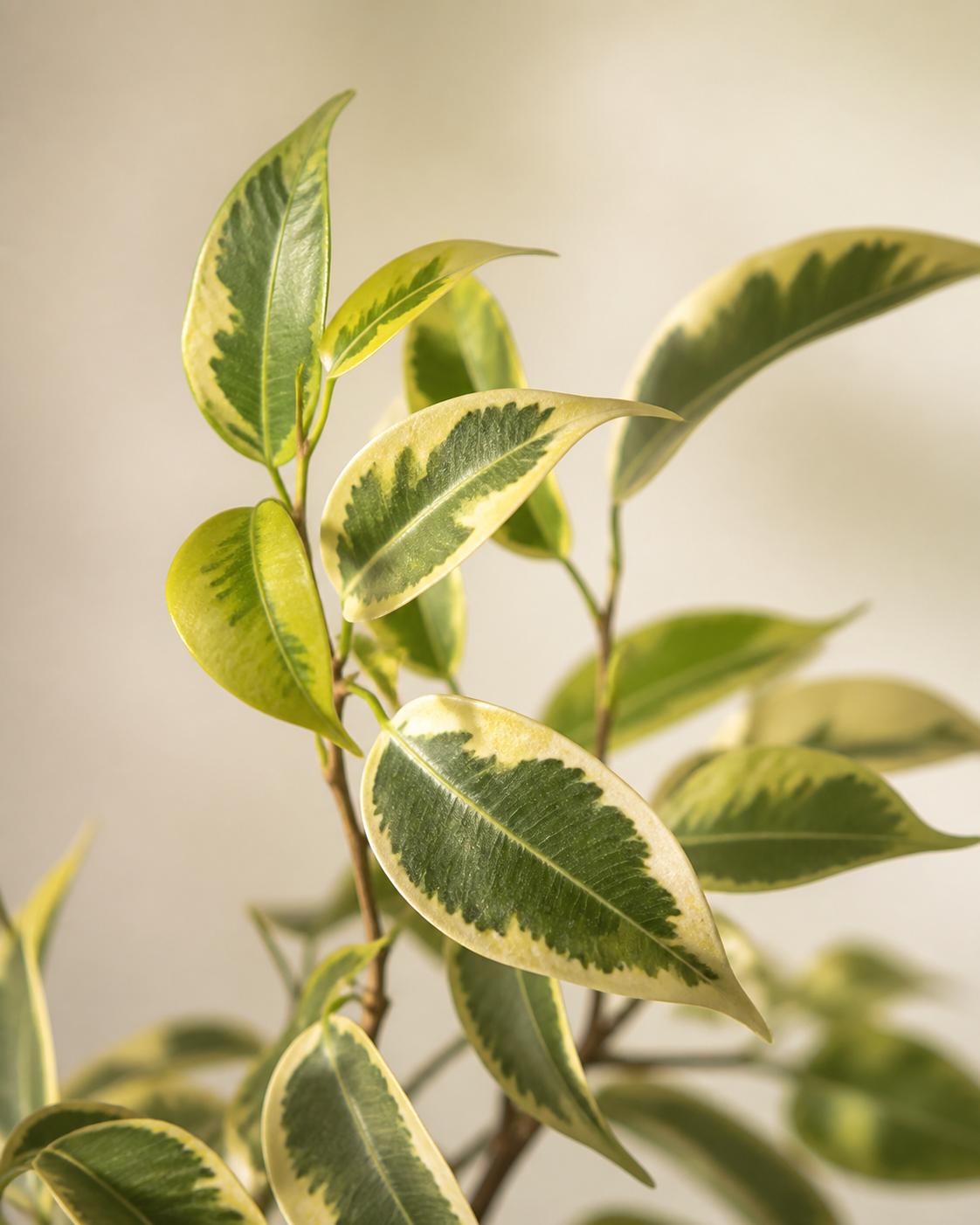
Ficus benjamina is one of those houseplants that clearly shows when the basics are working well. In this case, the plant’s good health points to a successful combination of bright suitable light, measured watering, and a substrate that supports both moisture balance and root aeration. When those pieces come together, this species tends to hold a full canopy, maintain consistent color, and grow with a calm, even rhythm.
Why it’s thriving
The main reason this Ficus benjamina is doing well is environmental balance. It is receiving enough light to support active growth without being pushed out of its comfort zone, and the watering routine appears consistent rather than excessive. That matters for a species that appreciates predictability indoors.
The growing medium is also doing its job. A good substrate for Ficus benjamina should retain enough moisture for steady uptake while still allowing air around the roots. Paired with a settled home environment, that root-zone balance often translates into stable top growth and a polished overall appearance.
How to recognize a healthy plant
A healthy Ficus benjamina usually presents as composed and symmetrical, with foliage that looks clean, well-formed, and seasonally consistent. Growth may be gradual rather than dramatic, but it feels steady. The plant reads as settled in its space, which is often the clearest sign that light, water, and substrate are all aligned.
Another useful marker is continuity. When care is appropriate, this species tends to maintain an even look from week to week instead of showing abrupt shifts. That visual steadiness is worth paying attention to: it often reflects a good match between the plant and its current conditions.
Ongoing care plan
The best approach now is not to change too much. Healthy Ficus benjamina plants usually benefit from consistency more than intervention. Keep it in a bright indoor position, continue a moderate watering pattern, and avoid unnecessary relocation if the current placement is working.
Check the substrate regularly so it remains comfortable for the roots rather than compacted. Rotate the pot from time to time for balanced exposure and even crown development. Routine observation is enough here: the goal is to preserve the conditions that are already supporting the plant well.
Prevention through stability
For a thriving ficus, prevention is mostly about protecting the balance it already enjoys. Stable light, an even care rhythm, and a suitable potting mix are the long-term foundation. Rather than chasing constant adjustment, maintain the simple habits that keep this plant feeling settled.
In other words, this is a success story of good placement and restrained care. Ficus benjamina responds beautifully when its environment is reliable, and this plant is a strong example of that quiet compatibility.
PLAN FOR THE COMING DAYS
- 01
Keep the plant in a bright, stable indoor spot.
- 02
Water moderately and keep the routine consistent.
- 03
Check that the substrate stays airy and evenly supportive.
- 04
Rotate the pot occasionally for balanced growth.
IN THE OWNER'S WORDS
“I’ve mostly left it alone, and that steady routine seems to be exactly what this ficus enjoys.”
COMMON QUESTIONS
0401How can I tell if my Ficus benjamina is healthy?
A healthy Ficus benjamina usually shows steady growth, balanced form, and well-kept foliage. Just as important, it tends to look consistent over time when light, watering, and substrate are all working together.
02What kind of light helps Ficus benjamina thrive indoors?
Ficus benjamina does best in a bright indoor position with stable conditions. Suitable light supports even growth and helps the plant maintain a full, composed appearance.
03Why does consistency matter for Ficus benjamina care?
This species responds well to predictable indoor conditions. When light, watering, and placement remain steady, the plant is better able to maintain balanced growth and overall vigor.
04What type of substrate suits Ficus benjamina?
A suitable substrate should balance moisture retention with airflow around the roots. That combination helps support a stable root environment and strong ongoing growth.